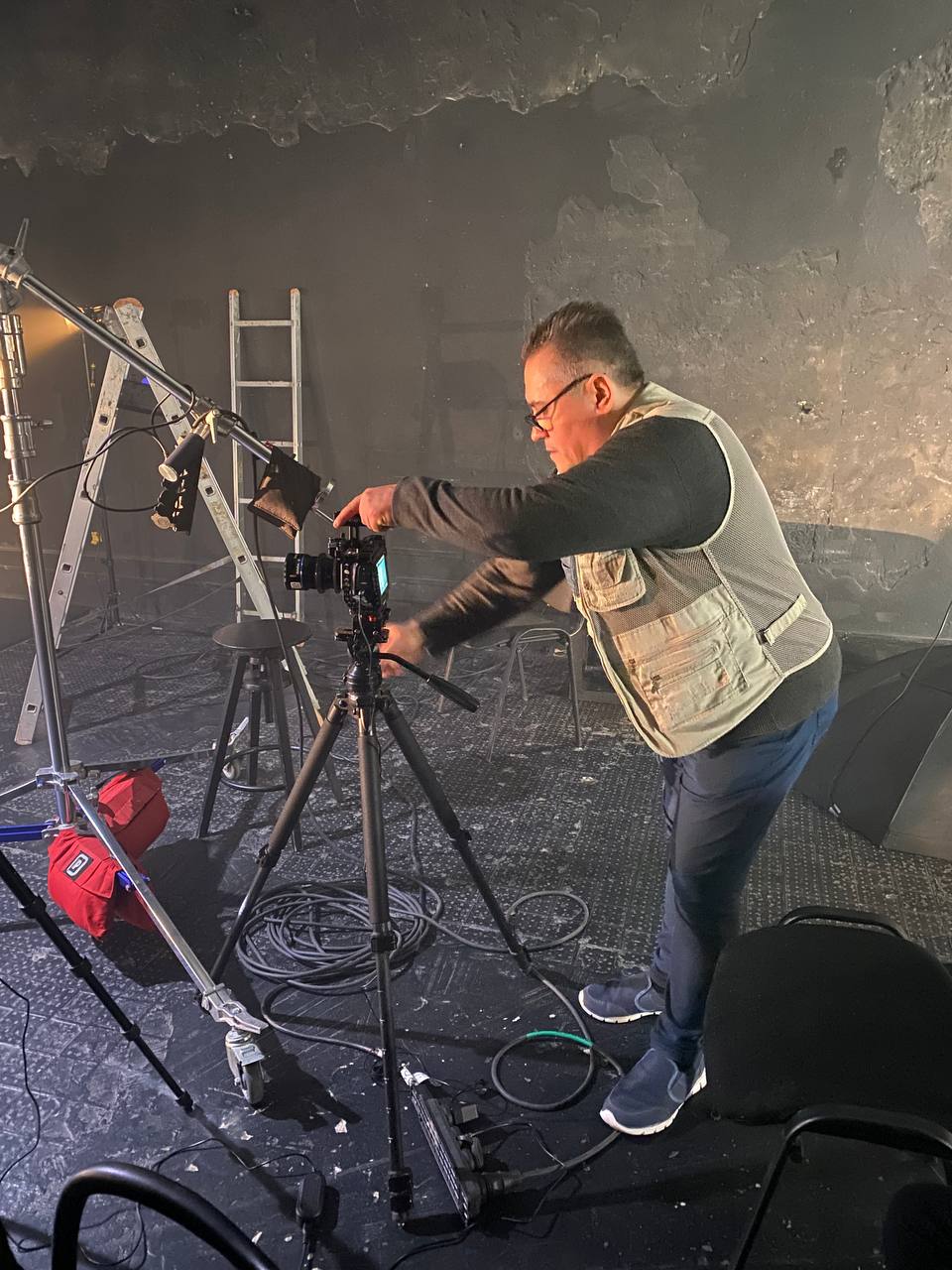

About this Film
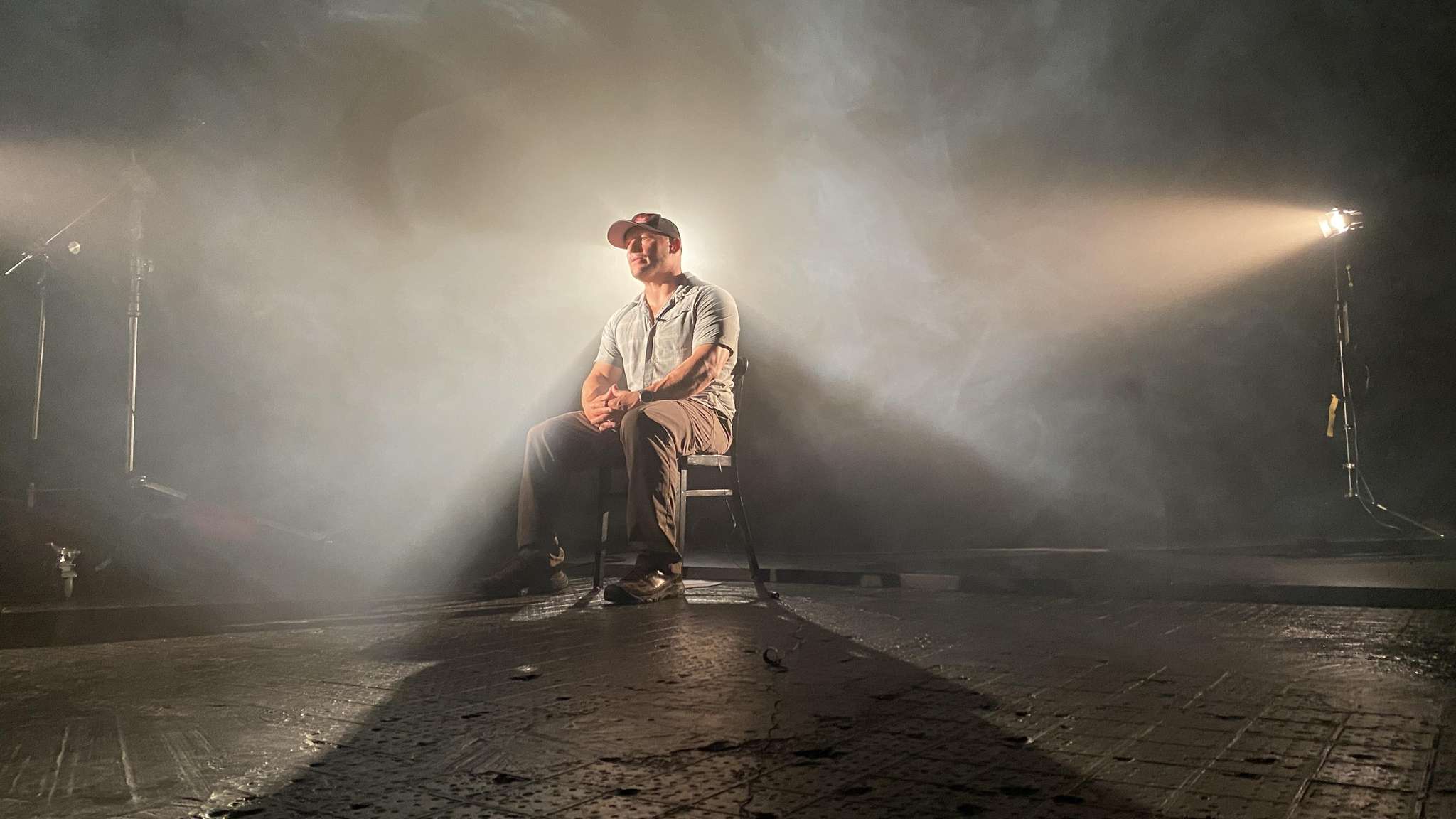
War leaves deep scars far beyond the battlefield. Children are the most vulnerable witnesses and victims of events that can change their lives forever. The loss of parents, living under occupation, captivity, and life under shelling—all of these can lead to post-traumatic stress disorder (PTSD).
The documentary “PTSD — Invisible Scars. Children” presents firsthand accounts, elucidates the mechanisms of childhood trauma, and outlines ways communities can support affected children. It is not merely a film but a tool for civic dialogue and actionable responses.
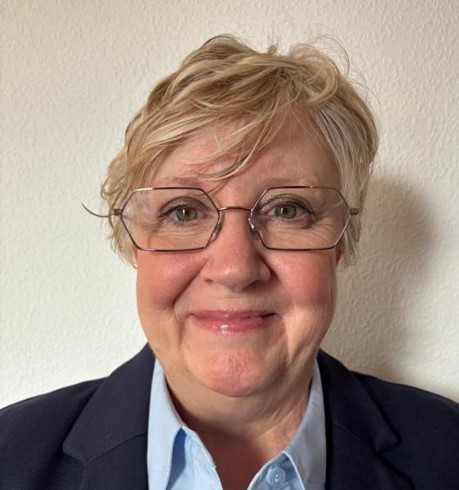
Mandy Bostwick, MProf, MSc, MA, ISST-D
Clinical Director, Trauma Assist International (United Kingdom)
Lead of the GLOBSEC Working Group on Comprehensive PTSD (2023–2025)
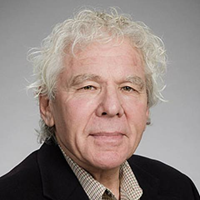
Professor Eric Trupin
Psychiatry, Child PTSD
University of Washington, School of Medicine
Department of Psychiatry & Behavioral Sciences
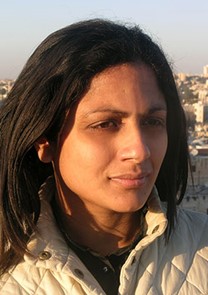
Edna Fernandes
Co-founder & Executive Director
Beyond Conflict (United Kingdom)

Ryan Hendrickson
CEO and Founder of Tip of the Spear Landmine Removal
(USA–Ukraine)

Yuliia Osmolovska
Deputy Lead of the GLOBSEC Working Group on (C)PTSD
Editor-in-Chief and Co-author of GLOBSEC analytical research
on war-related trauma
Production Team & Partners
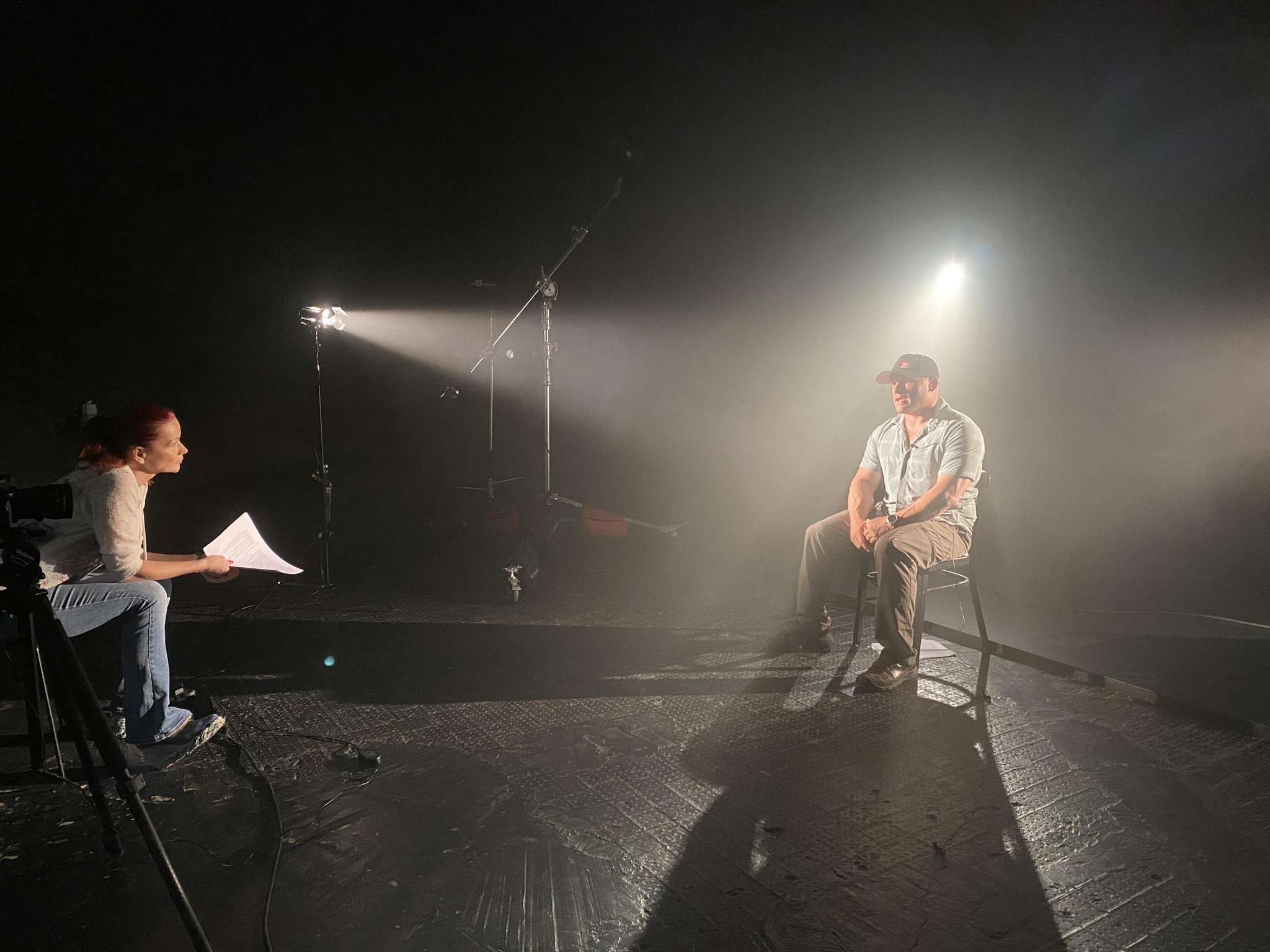

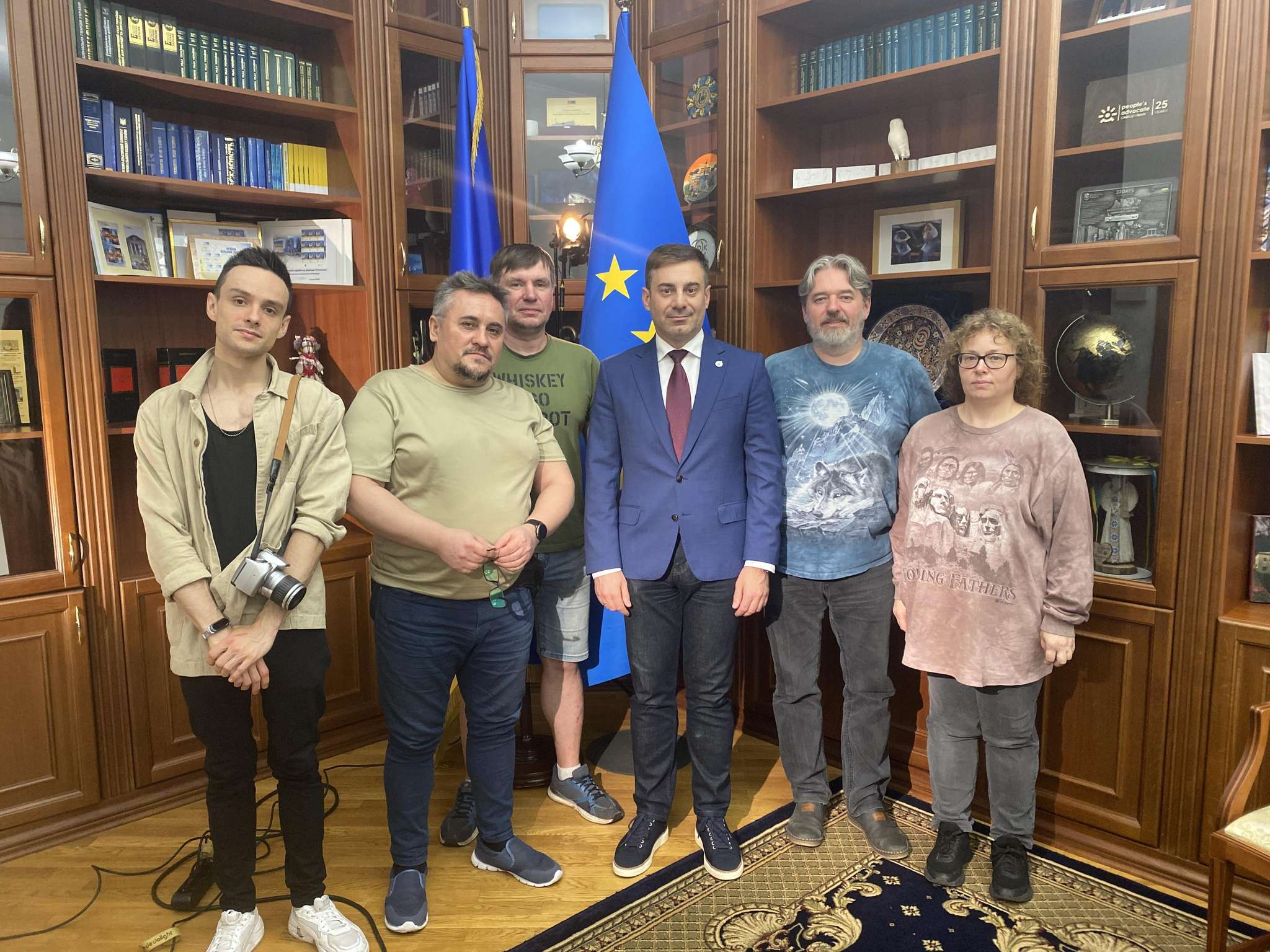
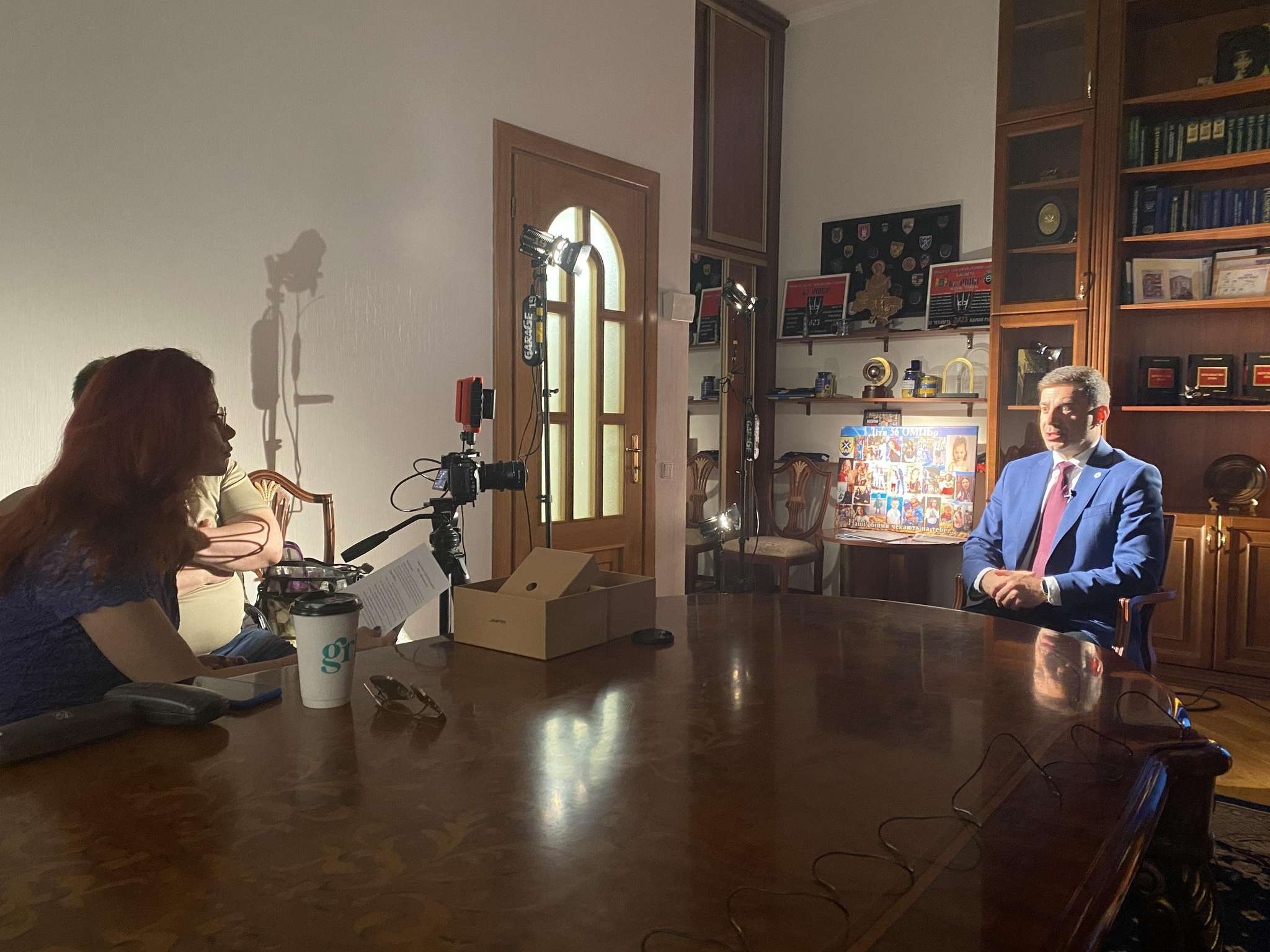
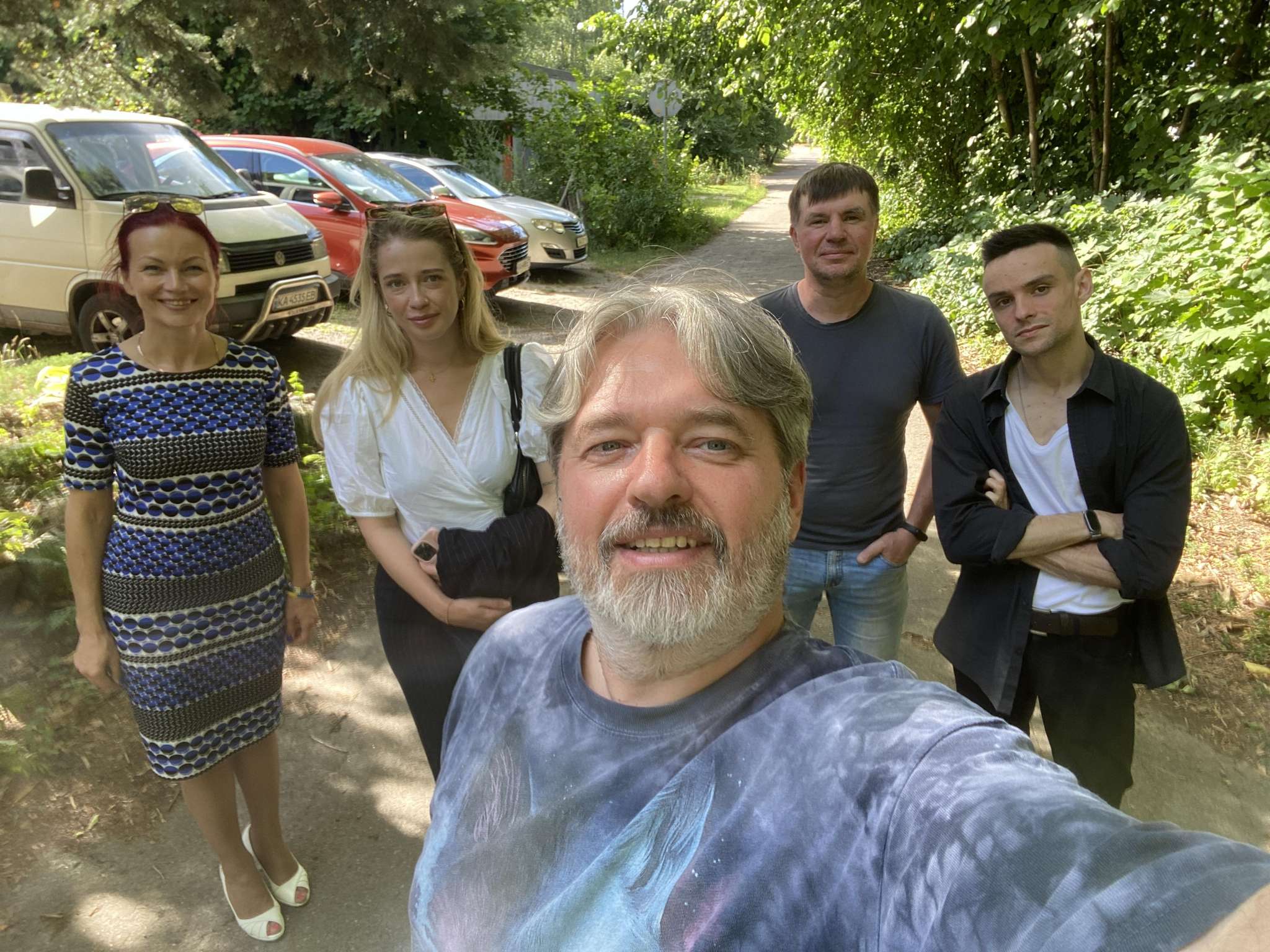
A team of dedicated professionals worked on the creation of this film, united by a common goal — to tell the story of children’s war trauma with respect, empathy, and professional accuracy. Directors, producers, journalists, editors, psychologists, psychiatrists, social workers, and human rights consultants contributed to the production. Many of them had firsthand experience working with war-related trauma — in both medical and media environments.
Our core team was formed after the start of the full-scale invasion, when we produced the joint documentary “The Battle for Kyiv” in partnership with 1+1 TV channel. Later, new specialists joined us, including experts from the international organization GLOBSEC, who provided crucial methodological and analytical support.
Each of us believes — and continues to believe — that documentary cinema can not only record history, but also change society’s attitude toward its most pressing issues, such as the psychological well-being of children.
“Join the conversation. Childhood PTSD is an issue everyone should know about. Share the film on social media so children’s voices are heard.”